
How to Win Your First Duels: 7 Tips for New Lords
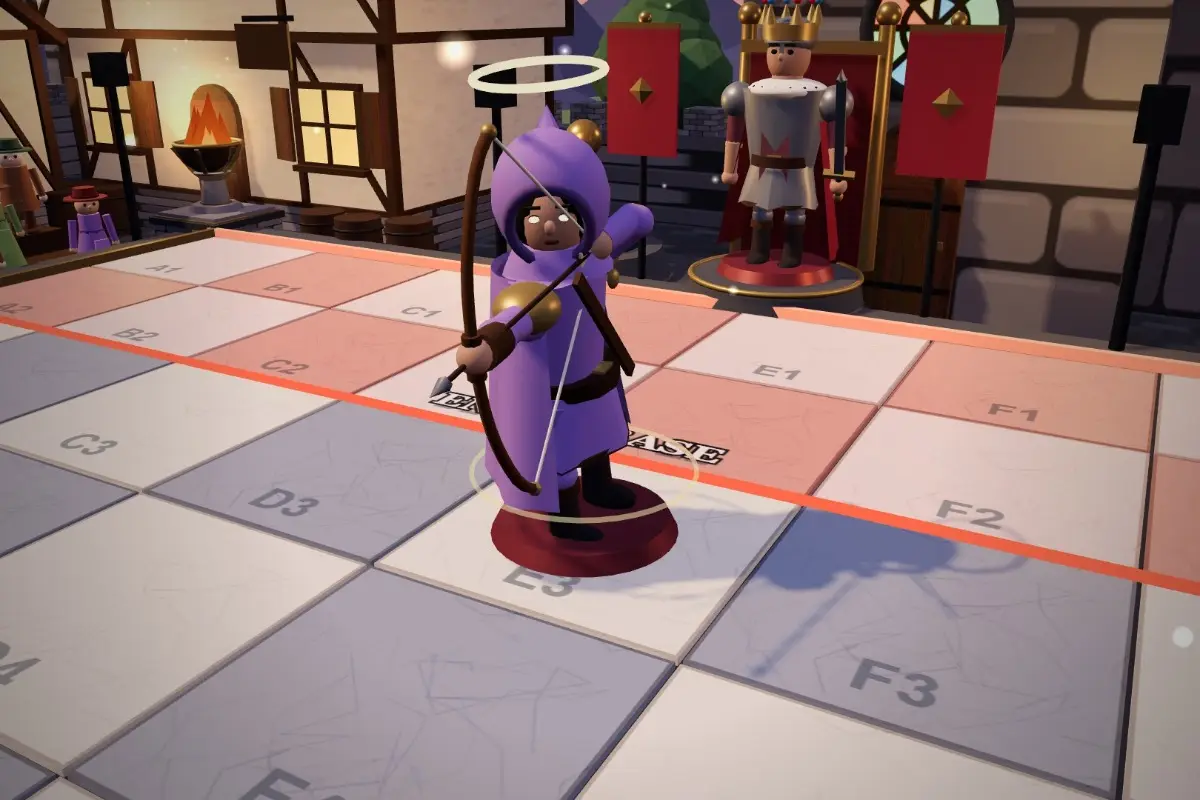
Every lord loses a few duels at first. The game looks simple, then a character you ignored walks into your base and ends the battle. The good news is that a handful of habits will win you far more games. None of them need rare cards, so you can use all seven today.
1. Summon every turn
You get 4 energy and one summon each turn, and neither carries over. That makes an empty turn the most expensive mistake in the game. Even a cheap character is one more body to block a path, flank an enemy or stand beside an invader.
Newly summoned characters cannot act until your next turn, so the earlier they arrive the sooner they matter. When you are unsure what to do, put something on the board first and think about the rest after.
Going second? In a 1v1 match, the player who goes second gets 5 energy and 2 summons on their first turn to make up for it. Plan to use both.
2. Watch your Strike danger
The top bar shows Strike danger: how much the enemy could deal to your leader next turn. Enemies that can do it are marked with a red ring. When the number turns into Lethal, you lose next turn unless you act.
Check this number at the start of every turn, before you make any plans of your own. Most lost games are not lost to a clever move. They are lost to a warning nobody read.
3. Block instead of chasing
A character cannot strike your leader while one of your characters stands next to it, on any of the eight tiles around it. So you do not always need to kill an invader. Sometimes the best answer is simply to step beside it.
This is the most useful rule for beginners. A cheap character standing next to a strong invader buys you a whole turn. Use that turn to bring in your fighters, and the invader that looked so dangerous becomes a target.
The same rule works against you. When you send a character into the enemy base, clear the tiles around it first, or the enemy will block it the same way.
4. Flank whenever you can
A melee hit deals 1 more damage when an ally stands next to the target. That single point decides many fights, because it can turn a fair trade into a clean kill. A character that defeats its target takes no hit back at all.
Get into the habit of moving your second character first, then attacking with your strongest. The order of your moves often matters more than the moves themselves.
5. Protect your archers
Ranged characters shoot up to 3 tiles in any direction, and nothing blocks the shot. A melee fighter cannot hit back from that distance, so a safe archer deals free damage every turn.
Keep ranged characters behind your front line, with a Tank or Defender between them and the enemy. If a melee fighter reaches your archer, the free damage is over, so move away early rather than late. When you face enemy archers, they are usually worth chasing down first.
6. Take the banners and hearts
Items appear on the board at the start of rounds 1, 3, 6 and 10, and they are never random. Rounds 1 and 6 bring a Lord's banner, which gives +1 attack for the rest of the battle. Rounds 3 and 10 bring a Heart charm, which gives +1 health. Each drop is a mirrored pair, one on each half of the board, so both lords get a fair chance.
A permanent bonus this early is a big deal, and bonuses stack on the same character. Plan your moves a round ahead so a character arrives first. A front line fighter with two banners is a real threat.
7. Mind the final bell
After round 20 the final bell rings. The lord with more health wins, and if the leaders are level, the side with more total health on the board wins. You get a warning 3 rounds before, and the screen shows who is ahead.
That changes how you should play the end of a long battle. If you are ahead, block and trade carefully and let the clock work for you. If you are behind, you must attack now, because waiting means losing.
Bonus: three common mistakes
- Sending one character alone. A lone invader gets blocked and surrounded. Two or three arriving together are much harder to stop.
- Saving your best card. Energy does not carry over, so a card held for a perfect moment often costs you several weak turns.
- Ignoring stamina. Attacks cost 2 stamina, and characters only recover 2 each turn. A character that walks a long way may be too tired to fight when it arrives.
What to read next
Once these habits feel natural, a better deck is the next step. Our deck building guide shows how to spend your 32 points, and the combat guide covers every rule in detail. Then open the game and try them against the computer before you step into a 1v1.